
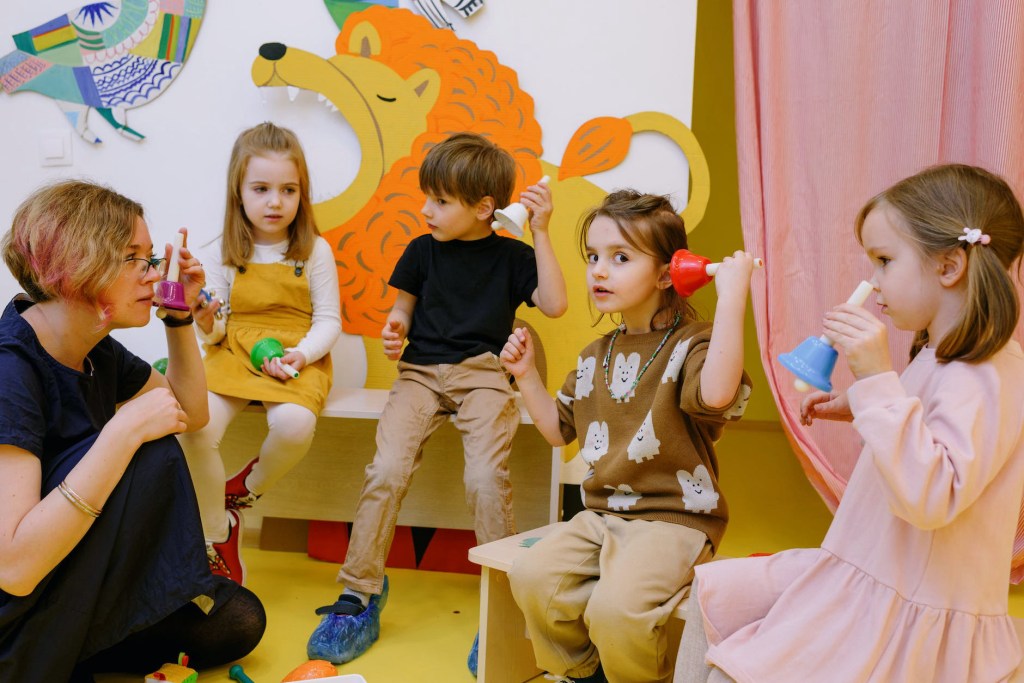
Numbered Heads Together is a cooperative learning strategy that encourages students to work together to solve problems, generate ideas, and share their understanding of concepts. This strategy is particularly effective for promoting active learning, fostering communication skills, and developing a sense of teamwork among students.
Materials:
- Whiteboard or flipchart
- Markers or pens
- Student worksheets or handouts (if applicable)
Procedure:
- Introduce the Strategy (5 minutes):
- Explain to students that they will be working in small groups to solve problems or answer questions.
- Each student will be assigned a number, and when their number is called, they will be responsible for speaking for their group.
- Form Groups (2 minutes):
- Divide students into groups of 3-4 members.
- Ensure that each group has a diverse mix of learning styles and abilities.
- Assign Numbers (1 minute):
- Assign each student a number from 1 to the number of students in their group.
- Present the Task (4 minutes):
- Clearly state the task or question that students will be working on.
- Provide any necessary instructions or materials.
- Think/Talk/Write Time (10 minutes):
- Allow students a few minutes to think about the task or question individually. Then, encourage them to discuss their ideas with their group members. If using worksheets, students can work on the task together.
- Call Numbers (varies):
- After a sufficient amount of discussion time, call out a specific number.
- The student with that number will be responsible for sharing their group’s answer or solution with the class.
- Repeat (varies):
- Continue calling numbers until all groups have had a chance to share their responses.
- Encourage discussion and clarification among groups.
- Divide students into groups of 3-4 members.
- Ensure that each group has a diverse mix of learning styles and abilities.
- Wrap-up (5 minutes):
- Summarize key learnings and insights.
- Address any remaining questions or confusion.
- Provide feedback on group participation and collaboration.
Differentiation:
- Group Size: Vary group sizes from trios to quintets to cater to different learning styles and social dynamics.
- Number Assignments: Assign roles within groups (facilitator, recorder, reporter) to distribute responsibilities and ensure all members participate.
- Question Complexity: Differentiate question difficulty based on individual needs. Offer a range of prompts with varying levels of challenge.
- Resource Access: Provide multiple learning resources (text, images, manipulatives) to accommodate different learning preferences and abilities.
Technology Integration:
- Interactive Whiteboard: Utilize the board for collaborative brainstorming, group presentations, and real-time feedback.
- Online Polls/Quizzes: Use digital tools to gather individual responses and anonymously compare group consensus.
- Video/Audio Resources: Integrate multimedia content like documentaries, podcasts, or interviews to enrich understanding.
 Teachers Get Active About Learning